
PRODUCT FAMILY / METALLIC
Stainless Steel Corrugated Metal Hose
Define the service conditions. Then define the assembly.
Corrugated stainless steel hose and braided metal hose assemblies for pressure, temperature, movement, routing and connection requirements. Final suitability is reviewed against the complete operating conditions.
CONSTRUCTION / WHAT CHANGES
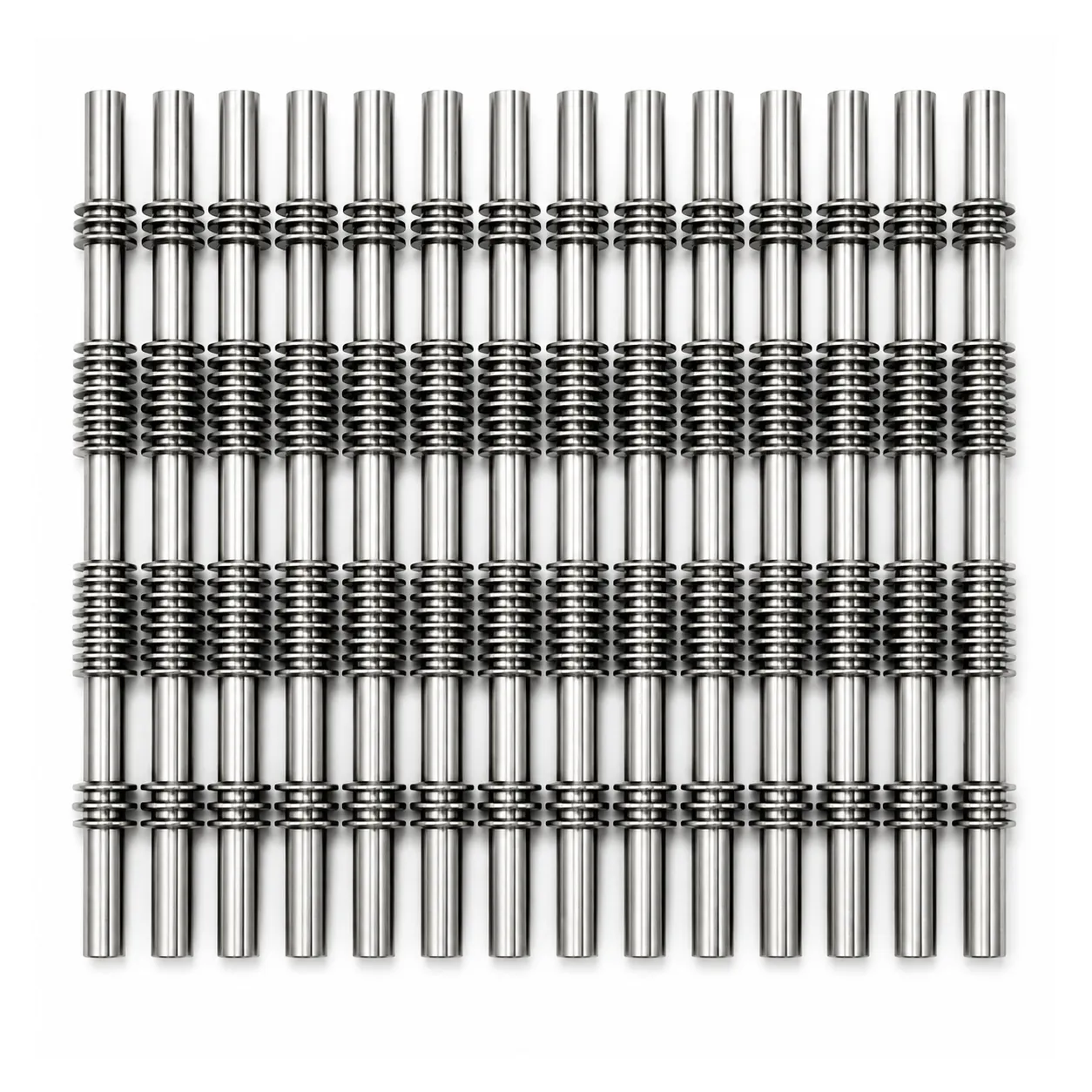
Three parts define the flexible structure.
Corrugation provides the flexible metal path. Reinforcement is added where the project requires it. End connections turn the hose body into an installable assembly.
01 / CORRUGATION
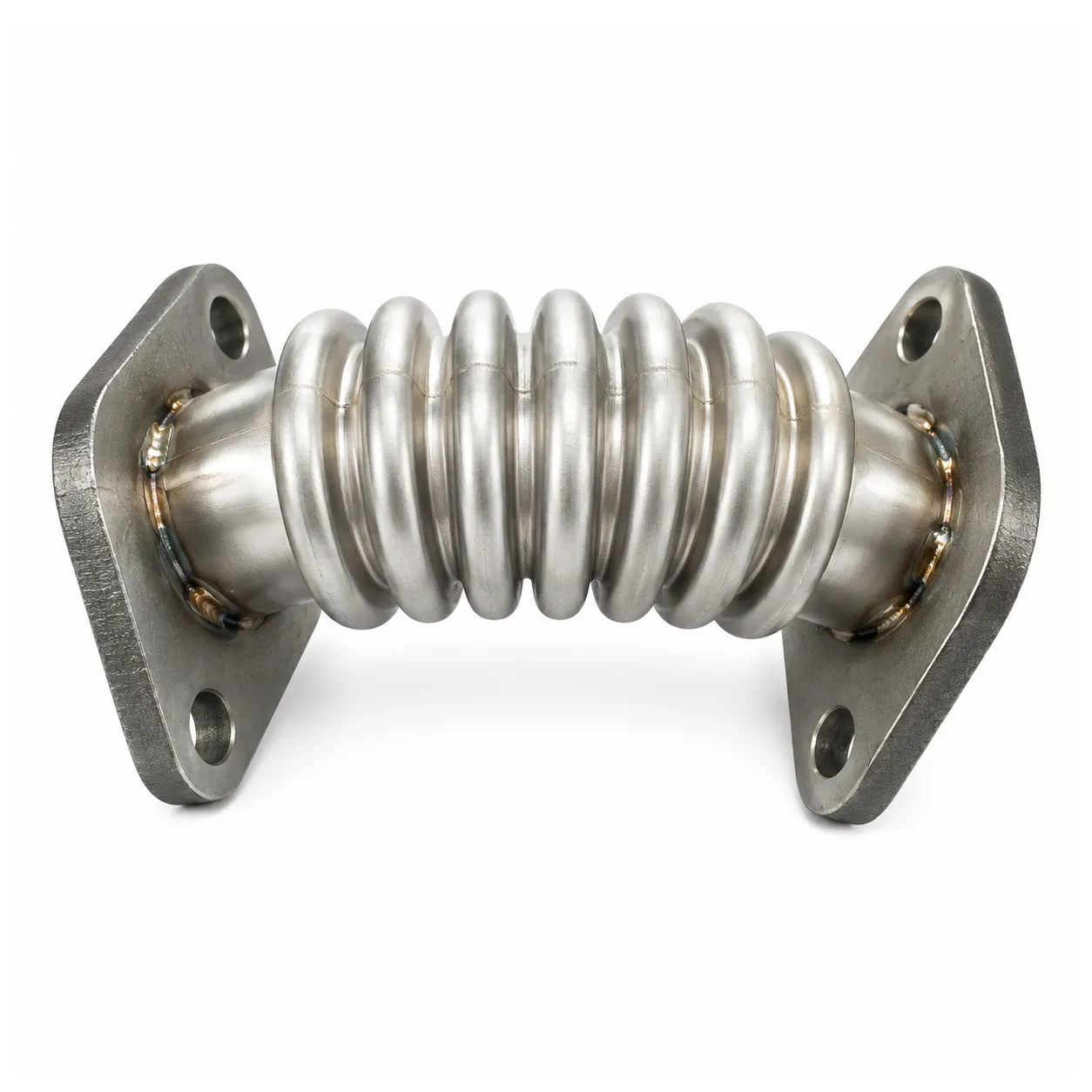
Corrugated Metal Hose
The corrugated hose body is the starting point for flexibility. Size, wall, corrugation geometry, live length and allowable movement must be considered together with the actual operating condition.
02 / REINFORCEMENT
Braided Corrugated Metal Hose
Where reinforcement is part of the hose design, braid and hose body are reviewed as one structure. Reinforcement selection depends on size, pressure duty, movement and assembly requirements.
03 / CONNECTIONS
End Connections Complete the Assembly
Connection type, orientation, installation space and overall length should be defined with the hose body. A drawing or reference assembly is the fastest way to confirm a custom interface.
MOVEMENT / DEFINE BEFORE SELECTION
The hose must fit the movement, not just the connection.
Movement direction, cycle pattern, routing and installation space should be reviewed before final hose construction is confirmed.
01 / AXIAL
Axial Displacement Requirements
If compression or extension along the hose axis is expected, identify it during application review. Standard braided corrugated metal hose should not be used to absorb axial movement unless specifically engineered for the application.
02 / LATERAL
Lateral movement
Offset between connection points changes the required flexible length and routing.
03 / ANGULAR
Angular movement
Angular displacement between the connection axes should be reviewed with bend geometry and live length. Torsional twisting about the hose axis should be avoided.
04 / ROUTING
Routing & installation
Available space, bend path, support and nearby components affect the practical arrangement.
APPLICATION REVIEW / WHAT TO SEND
A few inputs make the first review much faster.
Tell us the media, working temperature, pressure or vacuum condition, required movement, nominal size, overall length, end connections and quantity. A drawing or reference part is especially useful for custom assemblies.
MEDIA · TEMPERATURE · PRESSURE / VACUUM · MOVEMENT · SIZE · LENGTH · ENDS · QUANTITY
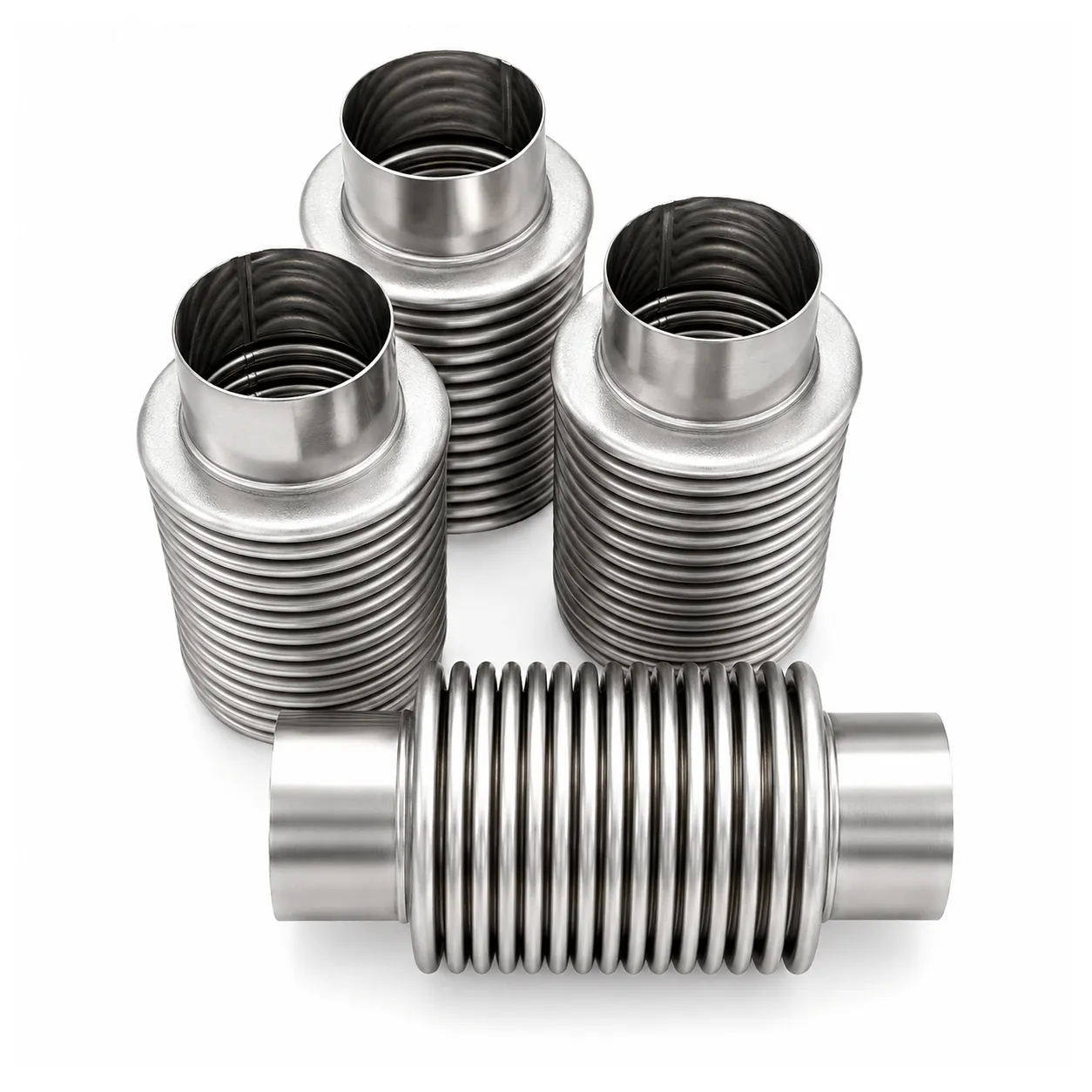
METALLIC HOSE / REPRESENTATIVE CONSTRUCTIONS
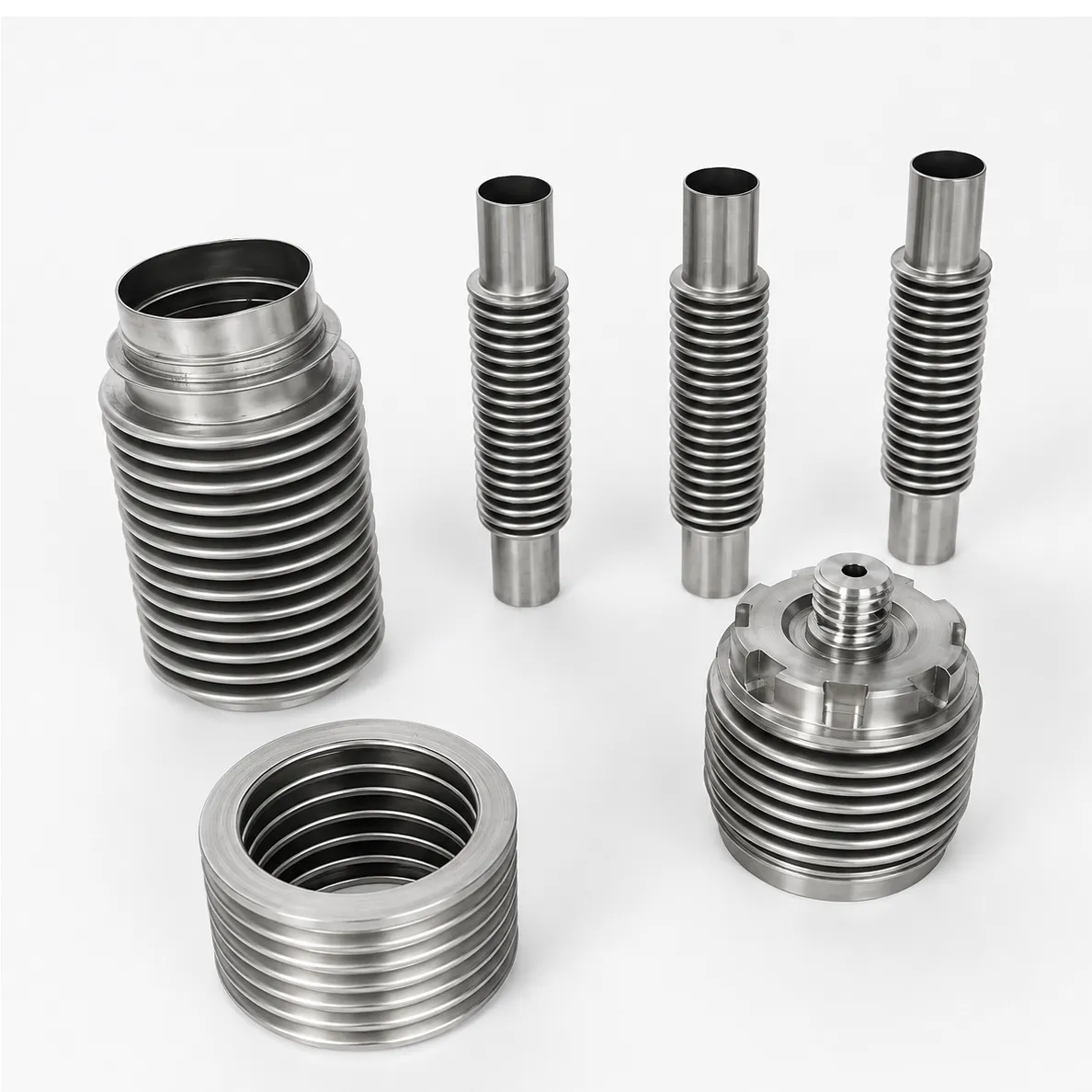
Representative metallic hose constructions.
These images show representative hose constructions. Final assembly details remain drawing- and application-dependent.

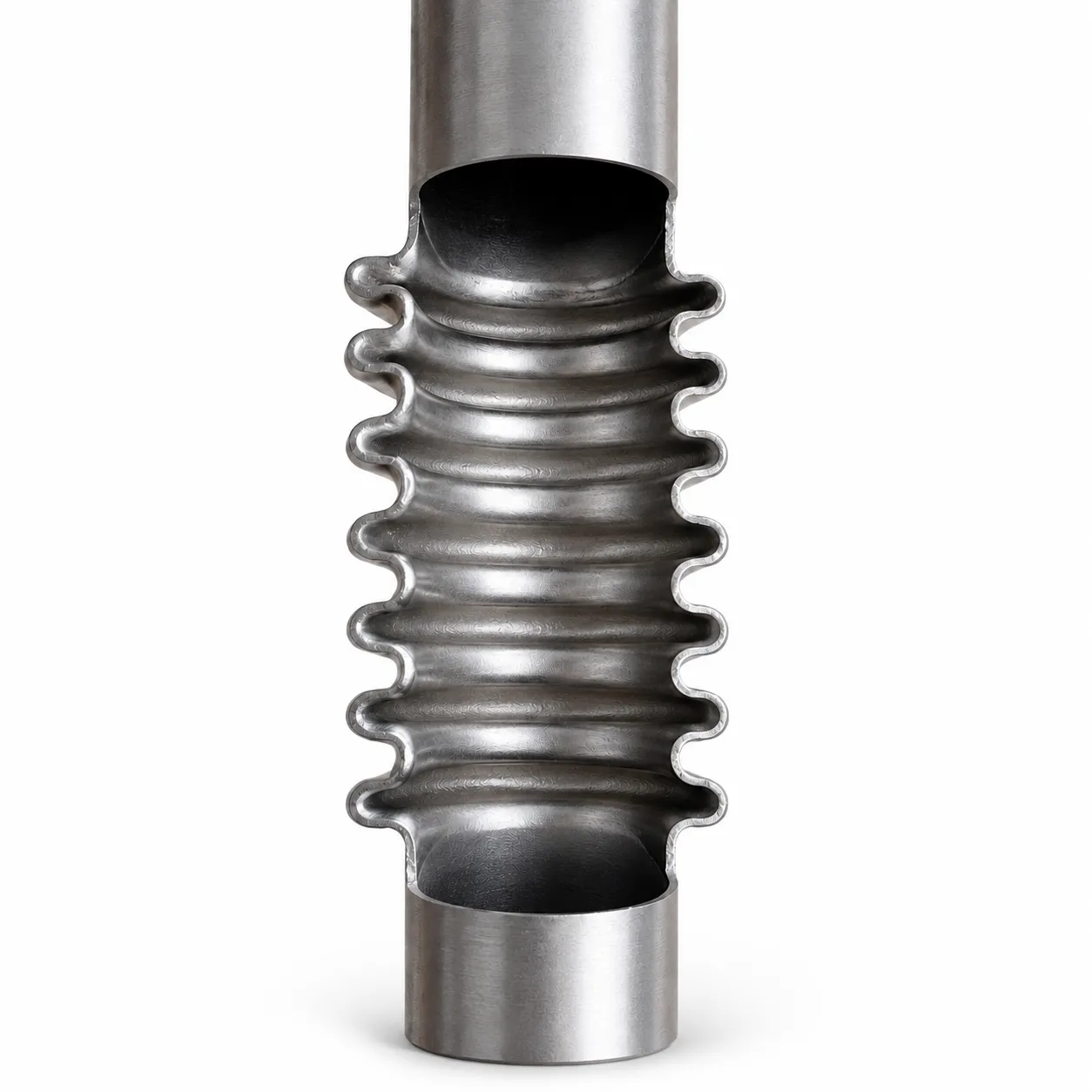
START WITH THE OPERATING CONDITION
Define the service conditions. We will review the construction.
If you already have a drawing, reference hose or basic duty information, send the closest details available. The first review can begin before every specification is finalized.